
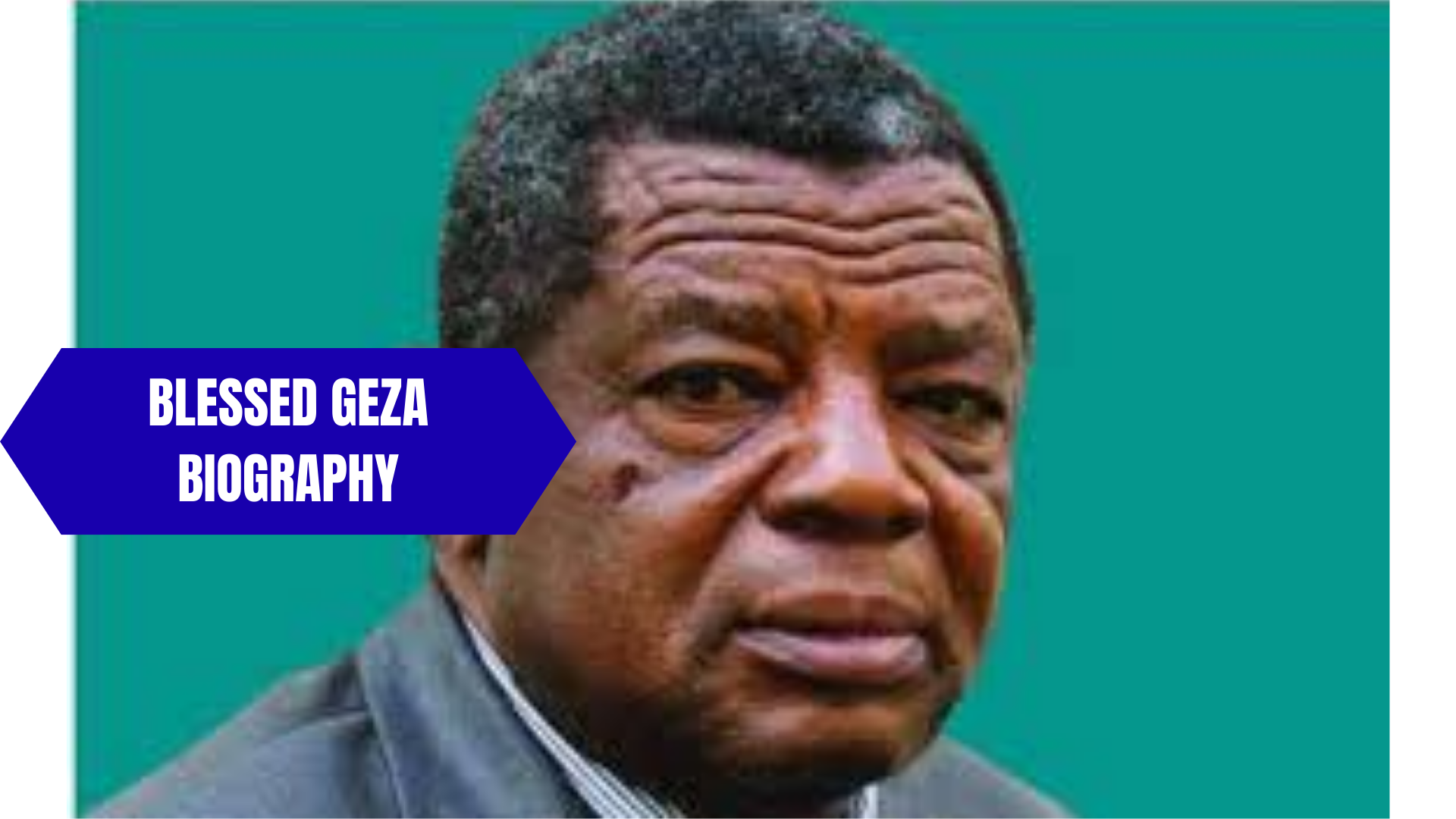
Blessed Geza Biography: Age, Family, Career, Death.
Blessed Runesu Geza, widely recognized by his nickname “Bombshell,” was a prominent Zimbabwean political figure, war veteran, and activist whose life story reads like a dramatic chapter in Southern Africa’s modern history. From his early days in the liberation struggle to his later years marked by bold political dissent, Geza’s journey was filled with courage, controversy, unwavering conviction—and at times, intense public scrutiny. His legacy continues to spark debate across Zimbabwe and beyond.
In this comprehensive biography, we’ll explore his early life, political rise, controversies, legal battles, death, and his enduring influence. This post is optimized for both readers and search engines, giving you the full picture of who Blessed Geza was and why he mattered.
Early Life and Background
Blessed Geza was born in 1943 in what was then Southern Rhodesia (modern-day Zimbabwe). Growing up during a period of colonial oppression, the harsh realities of social and economic injustice deeply influenced young Geza and shaped his early worldview.
From humble beginnings, he was shaped by the struggles faced by rural communities under colonial rule. These experiences instilled in him a deep desire for justice, equality, and a new Zimbabwe free from oppression. While details about his childhood education are limited, it’s clear that his formative years laid the foundation for his future involvement in the fight for independence.
Role in the Liberation Struggle
The Second Chimurenga, or the liberation war for Zimbabwe’s independence, was one of the most influential periods in Geza’s life. As a dedicated freedom fighter, he fought against colonial forces in the 1970s, showcasing bravery that earned him respect among his comrades and a reputation for fierce commitment to Zimbabwe’s freedom.
His war-time nickname “Bombshell” not only captured his fearless spirit but later became synonymous with his bold political persona.
Transition to Politics After Independence
When Zimbabwe gained independence in 1980, Geza seamlessly transitioned into political life. Recognized as a war veteran and a person deeply rooted in the freedom struggle, he joined the Zimbabwe African National Union-Patriotic Front (ZANU-PF), the dominant political party in post-independence Zimbabwe.
Rise through Party Ranks
Geza’s influence grew steadily as he took on roles that connected grassroots movements with national policy platforms. His dynamic style and assertive leadership helped him climb the political ladder, eventually earning a place in ZANU-PF’s Central Committee—a crucial decision-making body within the party.
In this position, he contributed to policy debates, electoral strategies, and community engagement efforts, particularly focusing on key issues like land reform, human rights, and economic equity.
Political Stances and Advocacy
Blessed Geza was never one to shy away from controversial topics. Known for his passionate speeches and unwavering positions, he became a powerful voice on several pressing national issues:
Land Reform and Economic Equity
Geza stood firmly on land reform, advocating for fair distribution of land to historically marginalized black farmers. For many Zimbabweans, land redistribution was not just economic reform but a symbol of true independence.
Human Rights and Governance
He also critiqued inequalities in governance and public accountability. His vocal stance on human rights and the rule of law earned both admiration and criticism, as his rhetoric was sometimes seen as divisive.
Controversies and Break with ZANU-PF
By early 2025, tensions between Geza and ZANU-PF’s leadership—especially President Emmerson Mnangagwa—had reached a boiling point. Geza publicly accused the leadership of corruption, nepotism, and betrayal of the liberation ideals they once fought for.
Expulsion from the Party
In March 2025, ZANU-PF officially expelled Geza from its Central Committee over his public criticisms and calls for the removal of President Mnangagwa.
Following his expulsion, his outspoken rhetoric escalated into calls for nationwide protests and actions against perceived government corruption. He even unveiled lists of alleged “economic saboteurs,” accusing them of exacerbating the country’s economic challenges.
Legal Troubles and Police Manhunt
Geza’s confrontational approach drew the attention of national law enforcement. In 2025, the Zimbabwe Republic Police declared him a person of interest and launched a manhunt against him, citing multiple charges including inciting public violence, theft, and undermining presidential authority.
At times, he resurfaced in videos wearing military attire from undisclosed locations, maintaining his critique of the government and urging supporters to stand firm.
Personal Life
While much of the public discussion around Geza focused on his political career, he was also a family man. Reports associate him with his spouse, Roseline Ndaizivei Tawengwa, who was reportedly arrested in connection with investigations related to his political activities.
Despite the chaos of public life, it’s evident that family support played a meaningful role in his personal stability.
Death and Legacy
In early February 2026, official reports confirmed that Blessed Geza passed away at a hospital in South Africa after a battle with cancer, a development mourned by supporters and widely reported in media.
His death marked the end of a polarizing yet impactful life—one defined by service in the liberation war, national politics, outspoken advocacy, and persistent dissent.
FAQs
1. Who was Blessed Geza?
Blessed Geza was a Zimbabwean war veteran, political activist, and former ZANU-PF Central Committee member known for his outspoken views and leadership.
2. Why was he called “Bombshell”?
The nickname “Bombshell” reflected his bold and assertive political style, born from his war-time reputation and later political activism.
3. What led to his expulsion from ZANU-PF?
He was expelled in March 2025 for publicly criticizing President Emmerson Mnangagwa and calling for his resignation.
4. Did Geza face legal charges?
Yes. In 2025, he was declared a person of interest by police on charges like incitement to public violence and undermining presidential authority.
5. When did he die?
He died in February 2026 in South Africa after battling cancer, according to family statements.
Conclusion
The story of Blessed Geza is one of transformation—from freedom fighter to powerful politician, from party insider to controversial dissident. His life mirrored many of the struggles that Zimbabwe itself has faced since independence, and his legacy continues to be debated across political, historical, and cultural discussions. Whether seen as a heroic advocate for justice or a provocative agitator, Geza’s voice shaped conversations that will resonate long after his passing