
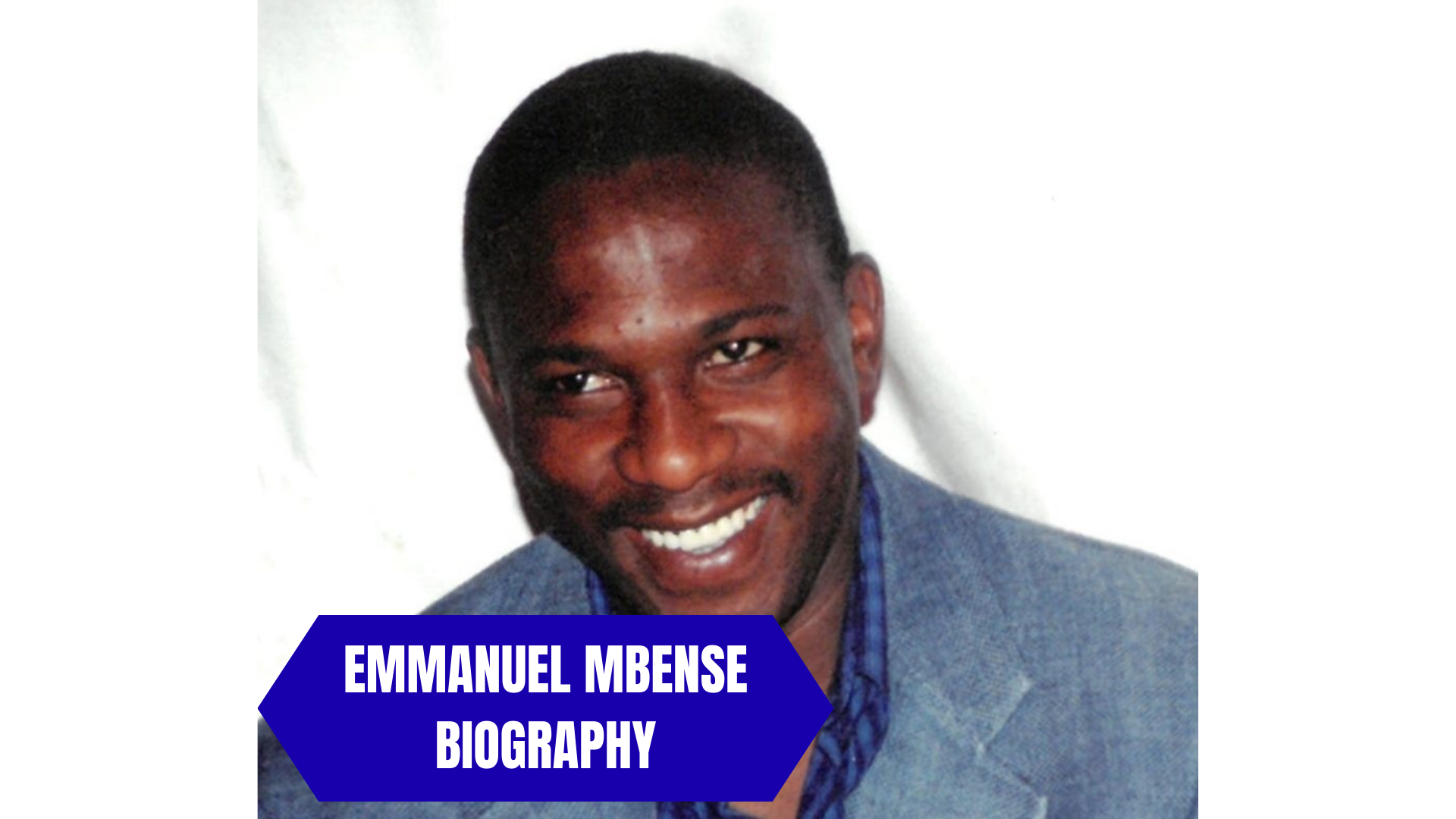
Emmanuel Mbense Biography: Wife, Children, Death
Most people searching for “Emmanuel Mbense biography” are looking for clarity around who he was, what happened to him, and why his name is in today’s headlines in South Africa. Emmanuel Mbense was not a celebrity or public figure in the conventional sense. Rather, he was an ordinary South African father whose tragic death in 2022 sparked widespread legal scrutiny, national media attention, and calls for accountability in law enforcement.
This post explores his life, the circumstances of his death, subsequent investigations, the impact on his family, public interest, and ongoing questions about justice and policing.
Early Life
Emmanuel Mbense was born and raised in Brakpan, Gauteng, South Africa. While little public information exists about his early childhood, education, or career before 2022, reliable reports show that he was:
- A family man, married with five children.
- A provider and respected member of his local community in Brakpan.
Mbense’s private life remained largely out of public view until the events surrounding his death brought his name into the national spotlight.
Life as a Family Man in Gauteng
Friends and community members described Mbense as calm, hardworking, and deeply committed to his family’s wellbeing. He lived in Brakpan with his wife and children, focusing on providing stability and care for those he loved.
Though he was not a public figure with widely documented achievements or media profiles prior to 2022, his life reflected the experience of many ordinary South Africans — balancing work, family responsibilities, and community ties.
The Events That Brought Mbense Into the Public Eye
The 2022 Incident
On April 15, 2022, Emmanuel Mbense was reportedly killed in an incident at his home in Brakpan, Gauteng Province. His body was found on April 16, 2022, in Duduza Dam near Nigel, with his car keys and driver’s licence still in his pocket.
The cause of death, according to official records, was blunt force trauma to the head.
While details on the precise events inside Mbense’s home remain complex and partially contested, public investigations and commissions suggest that law enforcement officers and private security personnel may have been involved, and various versions of what happened have been presented in authoritative settings.
Madlanga Commission and Testimony
In late 2025, the Madlanga Commission of Inquiry — established to investigate corruption, organized crime, and misconduct within law enforcement — heard testimony related to Mbense’s death.
A key witness, referred to as “Witness D” (later identified as Marius van der Merwe), testified that Mbense had been tortured and killed, and that his body was disposed of on orders from officials allegedly connected with law enforcement.
This testimony was a turning point in public understanding of the case but also sparked controversy due to how the testimony was conducted and the subsequent handling of those implicated.
Investigation and Ongoing Legal Process
IPID Investigation
The Independent Police Investigative Directorate (IPID), South Africa’s police watchdog, spent years investigating Mbense’s death. As of February 2026, IPID has concluded its investigation and referred the docket to the National Prosecuting Authority (NPA) for possible charges against suspects.
Despite the end of the formal investigative phase, many questions remain about accountability and justice, especially as several individuals of interest have since died under various circumstances, including suicide and alleged targeted killings.
Deaths of Persons Linked to the Case
In early 2026, news reports showed that multiple persons of interest in the Mbense case had died — by suicide or assassination — raising concerns about whether there might be efforts to silence witnesses or participants involved in investigations.
This unusual pattern has drawn further public scrutiny and questions from civil society groups, human rights advocates, and legal experts.
Family’s Fight for Answers and Justice
The Mbense family — especially his brother Nhlanhla Mbense — has been vocal in seeking justice. They have:
- Criticized delays in investigations.
- Expressed deep frustration with the criminal justice system.
- Turned to AfriForum’s Private Prosecution Unit for assistance.
Through these efforts, the family both seeks legal accountability for Mbense’s death and broader systemic reforms within law enforcement agencies.
Public and Social Impact
Though Emmanuel Mbense was not a public figure before his death, his story has become emblematic of broader concerns in South Africa about:
- Police accountability
- Corruption and misconduct
- Safety of witnesses
- Justice system responsiveness
His case features prominently in conversations about police reform and human rights in South Africa.
FAQs
Who was Emmanuel Mbense?
He was a 51-year-old South African father whose death in 2022 became the focus of national legal and accountability discussions.
How did Emmanuel Mbense die?
His body was found with blunt force trauma to the head in a dam near Nigel, Gauteng, following an incident at his home.
Why did his case attract public attention?
The circumstances of his death — including alleged involvement of law enforcement officers — raised public and legal scrutiny nationally.
What is the Madlanga Commission?
A national inquiry into organized crime and corruption within law enforcement that heard testimony related to Mbense’s death.
Is anyone charged in his death?
As of early 2026, investigations have been completed and referred to prosecutors, but formal charges and trials have not been widely publicized.
Conclusion
The Emmanuel Mbense biography is not a traditional public figure profile. Instead, it tells the important story of an ordinary man whose death exposed deep concerns about policing, justice, and accountability in South Africa. Mbense’s legacy now extends beyond his family — becoming part of nationwide calls for transparency and systemic reform.
Through continued legal scrutiny and activism, his family and civil society advocates hope not only for individual justice but for stronger protections and equitable treatment for all South Africans.